The missed emergency call already hired someone else
When a furnace quits or a pipe bursts, the homeowner calls until someone answers. Here is what that ringing phone costs an HVAC or plumbing company.
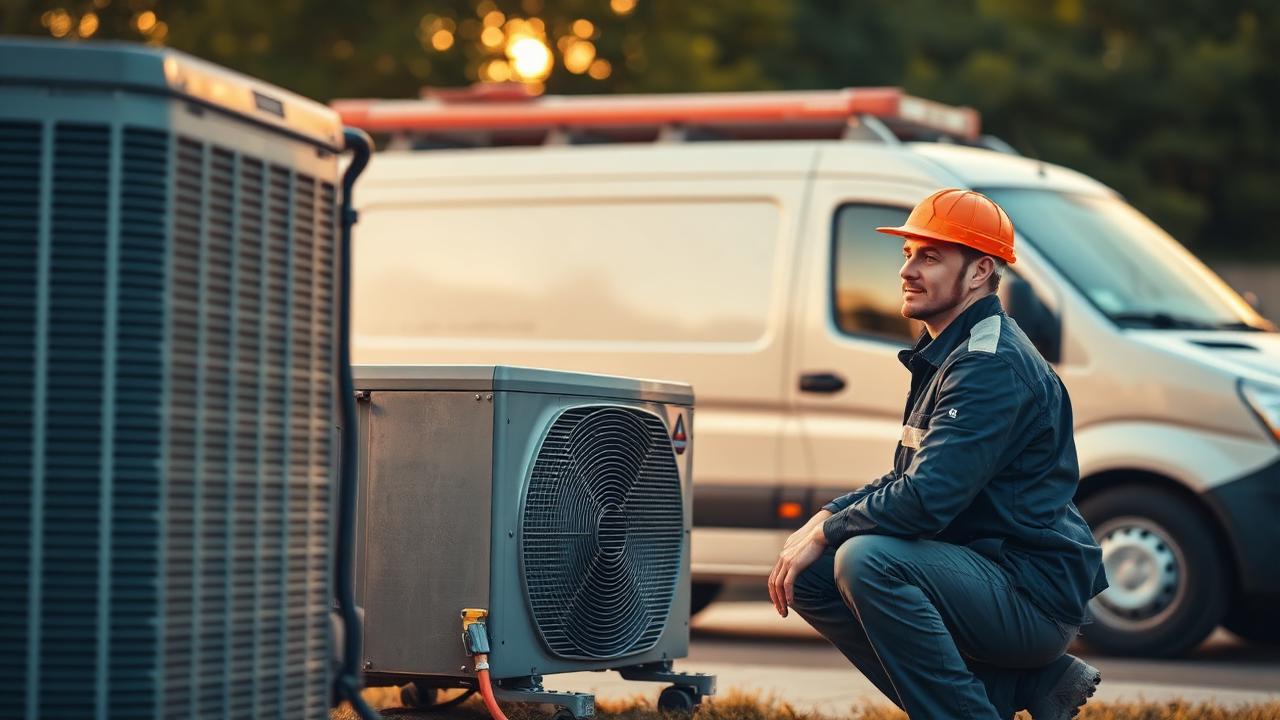
It is 6:40 on a February evening. A homeowner walks into a cold living room, looks at a thermostat reading 54, and starts calling. Your line rings four times and rolls to voicemail. She does not leave a message. She calls the next company on the list, and that company is at her house by nine.
Nothing about that call was a marketing failure. You already won the search, the referral, the truck-wrap impression. You lost it in twelve seconds of ringing.
Why trades calls behave differently
Most industries can recover a missed inquiry with a callback the next morning. Emergency trades cannot. The caller has a live problem, a short list, and no reason to wait. By the time you return the call, the job is either booked elsewhere or already in progress.
That is also why the value of a single trades call is so high. A no-heat visit is rarely just a diagnostic fee. It is a diagnostic that turns into a repair, a repair that surfaces an aging system, and a system replacement that a competitor now owns instead of you.
Do the math with your own numbers
Do not borrow anyone else's averages. Pull three figures you already have:
- Missed and abandoned calls per week, straight from your phone provider's call log. Include after-hours and the ones that rang during a two-truck morning.
- The share of answered calls that turn into booked work. Most shops know this within a few points.
- Your average completed ticket, repairs and replacements blended together.
A company missing 15 calls a week that books half of what it answers, at a $450 average ticket, could be leaving roughly $3,300 a week on the table. Treat that as an estimate, not a fact about your business — but run it, because the number is usually larger than owners expect.
The demand is not shrinking
The U.S. Bureau of Labor Statistics, in its Occupational Outlook Handbook, projects employment of heating, air conditioning and refrigeration mechanics and installers to grow faster than the average for all occupations, driven by aging equipment and new construction. More demand against the same number of techs and the same office staff means more calls arriving at exactly the moments nobody is free to pick up.
Hiring your way out of it is expensive and slow. A dispatcher covers business hours. Storm weeks, holidays and 2 a.m. floods do not.
What answering every call actually changes
An AI voice agent picks up on the first ring, every hour of the year, and does the things a good dispatcher does:
- Confirms the address and whether the situation is an emergency
- Captures make, model and symptom so the tech rolls prepared
- Offers real appointment windows from your calendar instead of promising a callback
- Escalates a genuine no-heat, no-water or gas-smell call straight to the on-call phone
- Texts the homeowner a confirmation so they stop calling competitors
The point is not that software replaces your techs. It is that the phone stops being the weakest link between marketing spend and a truck in a driveway.
Where to start
Look at last month's call log and sort by unanswered. Ask which of those were people with an active problem. That is the list an always-on answering layer is built for.
If you want to see what this looks like on your own line, try a live call or read how Callenova handles after-hours answering. Not sure which setup fits a trades operation? Start with the industries overview.
Related reading
- Landscaping companies lose the whole season in March
Spring signup calls all arrive in a three-week window while your crews are still ramping. Here is the cost of not answering them.
- Pest control's missed calls arrive in the same week as your busiest route
Seasonal surges push call volume up exactly when technicians and office staff have the least slack. Here is what that costs.
- What a missed call actually costs an auto shop
A missed call at a repair shop is rarely a lost question — it is usually a lost repair order. Here is how to size the leak and close it.