Pest control's missed calls arrive in the same week as your busiest route
Seasonal surges push call volume up exactly when technicians and office staff have the least slack. Here is what that costs.
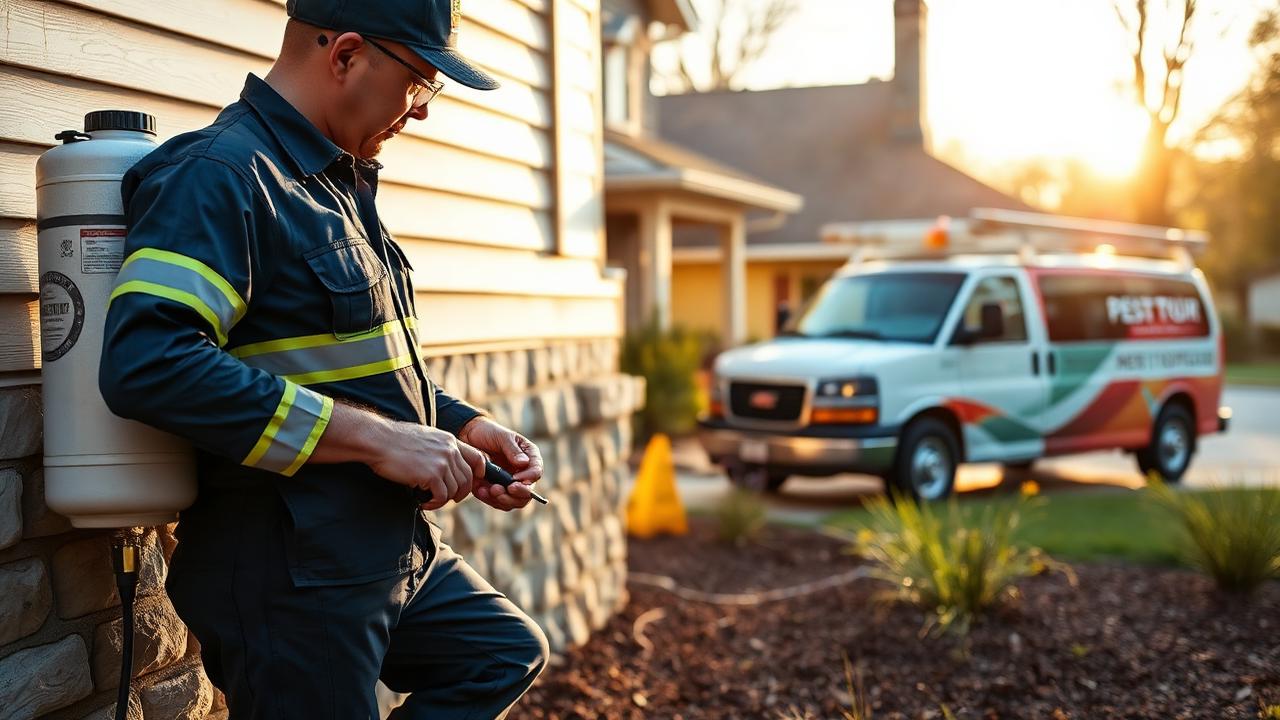
The National Pest Management Association's consumer research has repeatedly found that pest problems are close to universal among U.S. households — most people deal with one eventually. What that means operationally is simple: your addressable market calls you, rather than the other way around, and it calls in waves.
Ants in spring. Wasps in midsummer. Rodents at the first cold snap. Termite swarms on a handful of humid afternoons that you cannot predict but absolutely can lose.
The surge problem, stated plainly
Your capacity is flat. Your demand is not. During a surge week you may take three times normal call volume with the same one office person, who is also scheduling routes, taking payments and fielding technician calls from the field.
So the phone rings out precisely during the weeks that produce the year's best margin.
Why a pest call is worth more than one visit
Most pest control revenue is recurring. An initial treatment leads to a quarterly plan, and that plan renews. So the correct unit of loss is not the $180 initial service — it is the initial plus the multi-year value of a recurring customer who instead signed with the company that answered.
Run it with your own figures: surge-week unanswered calls, your booking rate on inbound, your average initial, and your average recurring annual value. Frame it as an estimate. Even conservatively, most operators find a single bad surge week costs more than a year of answering coverage.
The three calls you cannot afford to drop
The panic call. Wasp nest by the front door, roaches in a kitchen, a rodent in a bedroom. Zero patience, immediate booking intent, will call the next listing within a minute.
The realtor and closing call. Termite inspections and clearance letters run on a deadline. Miss it and you lose the agent's future volume too, not just this one job.
The existing-customer callback. "It came back." Miss that and you have converted a renewal into a cancellation and probably a review.
What always-on answering changes
An AI voice agent takes every one of those on the first ring, identifies the pest and the property type, checks whether the address is in your service area, offers real route-compatible windows from your schedule, and flags stinging insects or anything with an allergy risk for priority handling. Existing customers get identified by phone number and their recurring plan pulled up rather than re-explaining their history.
For the office, the effect is that surge weeks stop being triage. The calls are already qualified and scheduled when your coordinator sits down.
Do this before next season
Pull the call log from your worst week last year. Count the unanswered calls. That single number is usually more persuasive than any article.
Explore how Callenova fits different industries, or try a live call and run a wasp-nest emergency through it.
Related reading
- Landscaping companies lose the whole season in March
Spring signup calls all arrive in a three-week window while your crews are still ramping. Here is the cost of not answering them.
- What a missed call actually costs an auto shop
A missed call at a repair shop is rarely a lost question — it is usually a lost repair order. Here is how to size the leak and close it.
- What happens to the new-patient call your clinic never heard?
Pain-driven patients call while they hurt. Here is what a chiropractic or physical therapy practice loses when the front desk cannot pick up.