Other Appointment-Based Businesses
A veterinary clinic's busy signal is a welfare issue, not just a revenue one
Pet owners calling a vet are usually worried, not shopping. Here is what an unanswered clinic phone costs the practice and the animal.
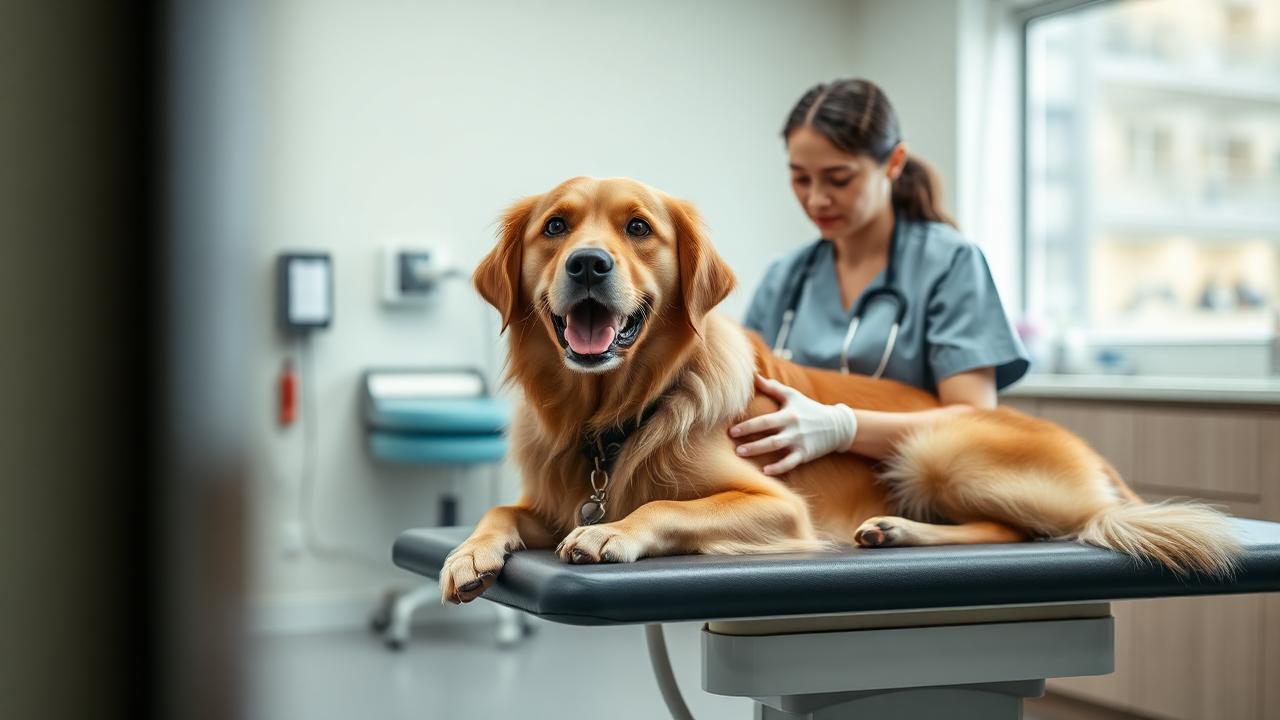
The American Veterinary Medical Association's ongoing pet ownership research consistently finds that a majority of U.S. households live with at least one pet. That is the demand side of a veterinary practice's phone: millions of households, each with a line straight to a front desk staffed by two or three people.
Now look at the supply side. Those same two or three people are checking in a nervous labrador, processing a discharge, calming a cat carrier, and fielding a pharmacy question. The phone is the thing that gets to wait.
What a missed veterinary call is not
It is not a lead. Framing it that way misses what is happening on the other end.
A pet owner calling a clinic is usually somewhere between mildly worried and genuinely frightened. They want to know whether the vomiting matters, whether the limp can wait until Monday, whether the dose was too high. When nobody answers, the two most common outcomes are both bad: they wait longer than they should, or they drive to an emergency hospital that costs them three times as much and costs you the relationship.
Three moments where the line breaks
Morning triage. Between 8 and 10 a.m., yesterday's worries all call at once. This is the peak, and it collides with the day's first appointments.
Lunch. The clinic is short-staffed by design. Callers assume you are closed.
After close. The most anxious calls of the day arrive when the building is empty.
The economics, honestly
There is no credible universal figure for what a missed vet call is worth, so build your own. Take your unanswered calls for a week, estimate the share that would have become an appointment, and multiply by your average invoice. Even a conservative pass — 25 missed calls, a third converting, a $180 average — points to roughly $1,500 a week. That is an illustration, not a benchmark. Yours may be smaller or much larger depending on whether surgery and dentals sit behind those calls.
Add the part that never shows on a P&L: clients who quietly move to the practice that picks up.
Where an AI voice agent fits, and where it must not
It fits at the front of the funnel. Answer instantly, identify the pet and the owner, capture the symptom in the owner's words, book the routine visits directly onto the schedule, refill the routine pharmacy requests into a queue, and take the after-hours message with enough detail that a technician can act on it first thing.
It must not triage. No AI should be telling an owner whether chocolate ingestion is survivable or whether a limp can wait. The correct behavior is a clear, immediate handoff: an urgent-sounding call goes to the on-call line or to the emergency hospital number you configure, without hesitation and without diagnosis.
Configured that way, the agent protects the exact thing a busy clinic keeps dropping — the first ten seconds of a worried person's call.
Try it against your own workflow
Callenova is set up for appointment-based practices, and you can try a live call to hear how it captures a symptom and books a visit before handing off anything urgent.
Built for other appointment-based businesses
An AI phone answering service for appointment-based businesses that books, confirms and reschedules calls 24/7 and follows up on no-shows.
See the AI phone answering service for other appointment-based businesses
Related reading
- What happens to the new-patient call your clinic never heard?
Pain-driven patients call while they hurt. Here is what a chiropractic or physical therapy practice loses when the front desk cannot pick up.
- The membership you lost to a ringing phone
Gym and studio inquiries arrive in bursts, usually when the desk is running a class change. Here is what those missed calls cost a fitness business.
- Landscaping companies lose the whole season in March
Spring signup calls all arrive in a three-week window while your crews are still ramping. Here is the cost of not answering them.